
At 80 and beyond, food matters as much as it did at 40. In some ways it matters more. Good meals keep muscles strong, steps steadier, moods brighter and thinking clearer. Yet many older adults eat less, and less well, than they used to. The encouraging part is that small changes make a real difference. You do not need special products or complicated plans. You need a few simple habits and someone to share the table with.
This article is general guidance only. Please check with a doctor before changing a diet, especially where there are swallowing problems, diabetes, kidney disease or heart conditions.
Why Appetite and Taste Change
Several things shift with age. Smell and taste fade, so food seems blander than it once did. The stomach empties more slowly, so a person feels full sooner. Some medications dull appetite or leave a metallic taste. Sore teeth or loose dentures make chewing tiring. Cooking for one, eating alone, and grief can all take the pleasure out of a meal. None of this is anyone’s failing. It simply means meals need a little more flavor and a little more care.
Protein at Every Meal
Muscle is lost faster after 70, and protein is the main way to slow that down. Spread it through the day rather than saving it all for dinner. An egg or two at breakfast. Cottage cheese, yogurt, or a tuna sandwich at lunch. A modest portion of chicken, fish, beans or lentils at supper. Make oatmeal with milk instead of water. Grate cheese over vegetables. If appetite is small, serve the protein first and the rest afterward.

Drink More Than Thirst Suggests
Thirst weakens with age, so many older people are mildly dehydrated without knowing it. That can mean confusion, dizziness, headaches and falls. Eight glasses of water is a tall order for someone who is not thirsty, so count everything that is wet. Soup counts. So does fruit: melon, oranges, peaches, berries, grapes. Tea, milk and diluted juice count too. A pretty cup kept within reach all day does more than reminders. Offer a drink with every snack and every visit.
Fiber, Gently
Constipation is common in later life, and it is miserable. Fiber helps, but increase it slowly and with enough fluid, or it can make things worse. Oatmeal, whole-grain bread, cooked vegetables, stewed prunes, ripe pears, beans and lentils all do the job. Cooked vegetables are usually easier to manage than raw. A spoonful of ground flaxseed stirred into yogurt goes unnoticed and works quietly.
Soft Food That Still Looks Like Food
When chewing or swallowing gets harder, meals should still look like something you would want to eat. Nobody is tempted by a plate of beige. A few ideas:
- Scrambled eggs with a little soft cheese and chopped chives
- Salmon flaked into creamy mashed potato with peas
- Slow-cooked stews where the meat falls apart with a fork
- Shepherd’s pie, macaroni and cheese, or well-cooked pasta in a smooth sauce
- Soups with the vegetables blended in, served with soft bread
- Baked apples with custard, or a smoothie of yogurt, banana and peanut butter
Keep foods separate on the plate so the colors show. Season generously with herbs, lemon, garlic and, if the doctor allows, a little salt. Serve small portions on a small plate. A full small plate is far less daunting than a half-empty large one, and it is fine to offer seconds.
Eating Together Matters Most
Here is the part no supplement can replace. People eat more, and enjoy it more, when they eat with others. A shared meal lasts longer, so there is time to finish. Conversation slows the pace, lifts the mood, and makes the food taste better. If your parent lives alone, a shared lunch twice a week may do more good than any vitamin. Eat with them when you can. Invite a neighbor. Set the table properly, even for one. A cloth napkin and a real glass say that this meal, and this person, matter.
When to Ask a Doctor or Dietitian
Talk to the doctor if your parent is losing weight without trying, coughing or choking at meals, leaving food uneaten day after day, or seems unusually tired or confused. Ask about a swallowing assessment if mealtimes have become a struggle. A registered dietitian can build a plan around conditions such as diabetes, kidney disease or heart failure, where general advice does not fit. Bring a list of every medication and supplement, since several affect appetite and taste.
How Our Kitchen Handles This
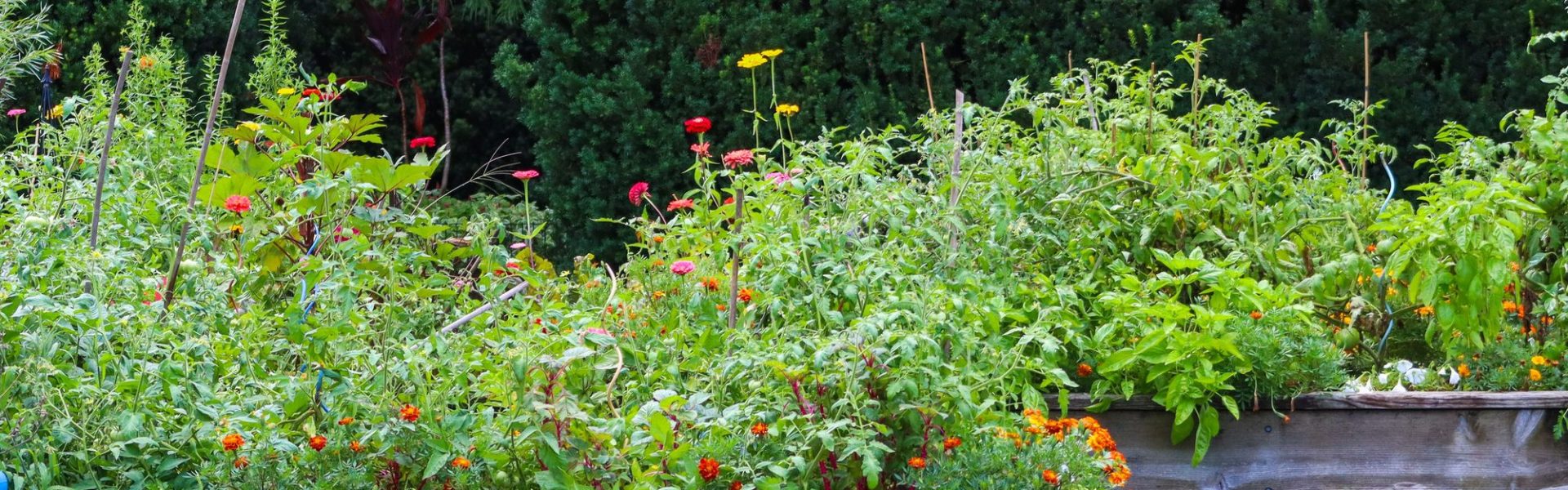
At Peach Pointe, meals are cooked in our own kitchen and served at one long table. We shop and cook with the season, and the garden adds tomatoes, herbs and greens through the summer, and peaches when the tree is generous. Residents who want to help can wash lettuce or snip chives. We follow each resident’s care plan for diet and food texture, and we talk with families and doctors when appetite or swallowing changes. Mostly, we try to make mealtime the best part of the day: good smells from the kitchen, a bright table, company, and no hurry.
If you would like to see our table for yourself, come for a visit. We will put the kettle on.